Your brand is the heart of your business. Think about iconic brands like Coca-Cola, Ford, and Apple. The visuals of their brand – their logos, fonts, and colors – are instantly recognizable, forming a strong visual and emotional connection with consumers.
But what happens when you decide to change your branding? Whether it’s a subtle refresh or a full-scale rebrand (read more about brand refresh vs. rebrand here), it is vital for companies to think a step beyond a visual change to consider how they are communicating the change to their audience in effective and pertinent ways.
How you communicate the transition can determine how well your audience embracesthe change.
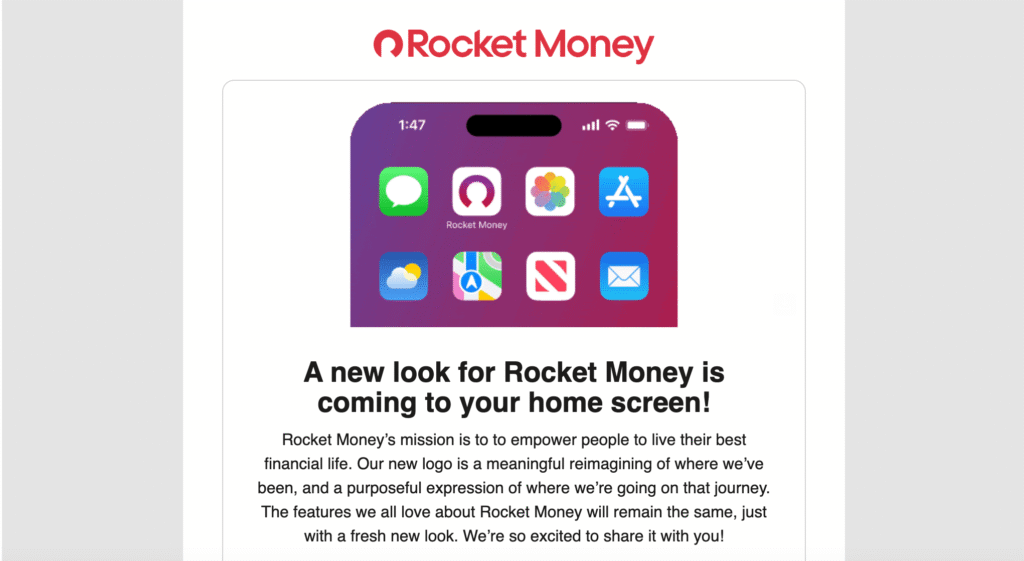
We’ve seen this done well in a recent brand transition from Rocket.com. In January 2025,Rocket unified its services under the overarching “Rocket” name and introduced a subtle logo update to reflect the organizational change. They described the change as a”meaningful reimagining” for the brand. Users were informed through an email announcement that provided a brief rationale for the update, while Rocket sub-brands also shared the news on their social media platforms. Those interested in learning more were directed to its website announcement and visual identity gallery.
Rocket
Rocket also strategically timed the rollout of its new logo to coincide with its Super Bowl ad. By seamlessly integrating the branding refresh without over emphasizing the change, it successfully reintroduced itself to a broader audience with a modernized, and unified look.

Walmart
On the other hand, Walmart went through a “comprehensive brand update” around the same time, but with a bit more questionable process. A press release first shared the news of the organization updating its infamous “spark” logo and font to a bit heavier of a weight. Walmart explained the changes by detailing new key features and the rollout plan, but gave no rationale or reasoning to tie the change to any sort of shift in the company’s direction.
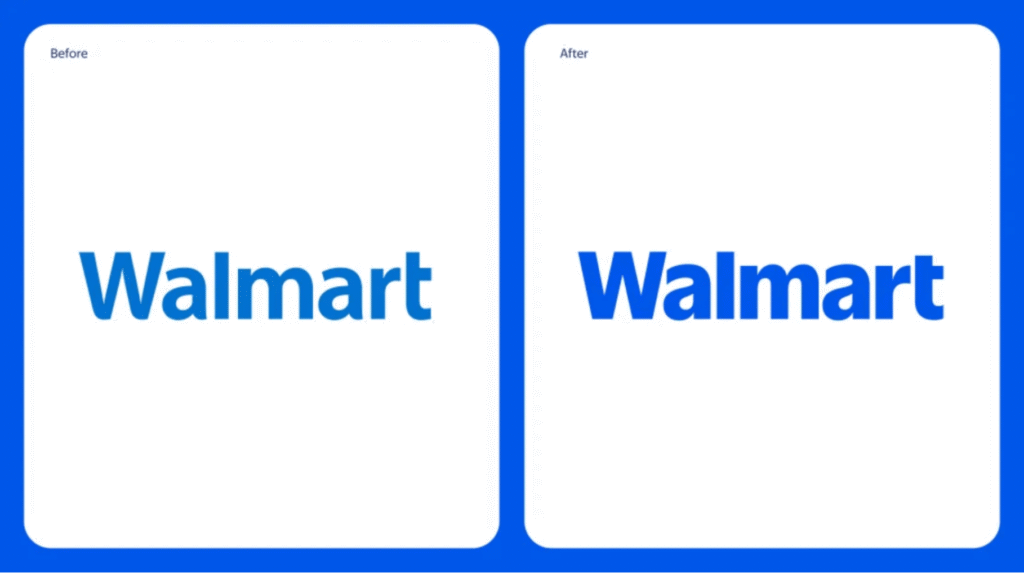
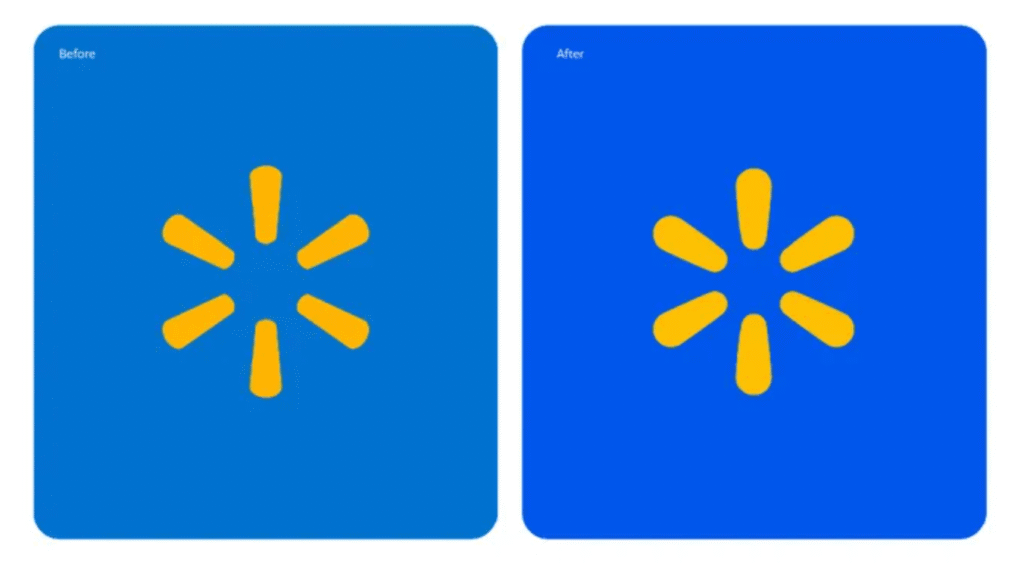
While the language of the press release was quite lofty, if you compare the logos side-by-side, it’s hard to notice a major difference. Media outlets were quick to point this out while confirming Walmart spent $40 million on this brand refresh. These points only increased public confusion about the necessity of these changes. Even Walmart’s social media responded to the chatter surrounding its refresh via a dry humored meme on its social media platforms.
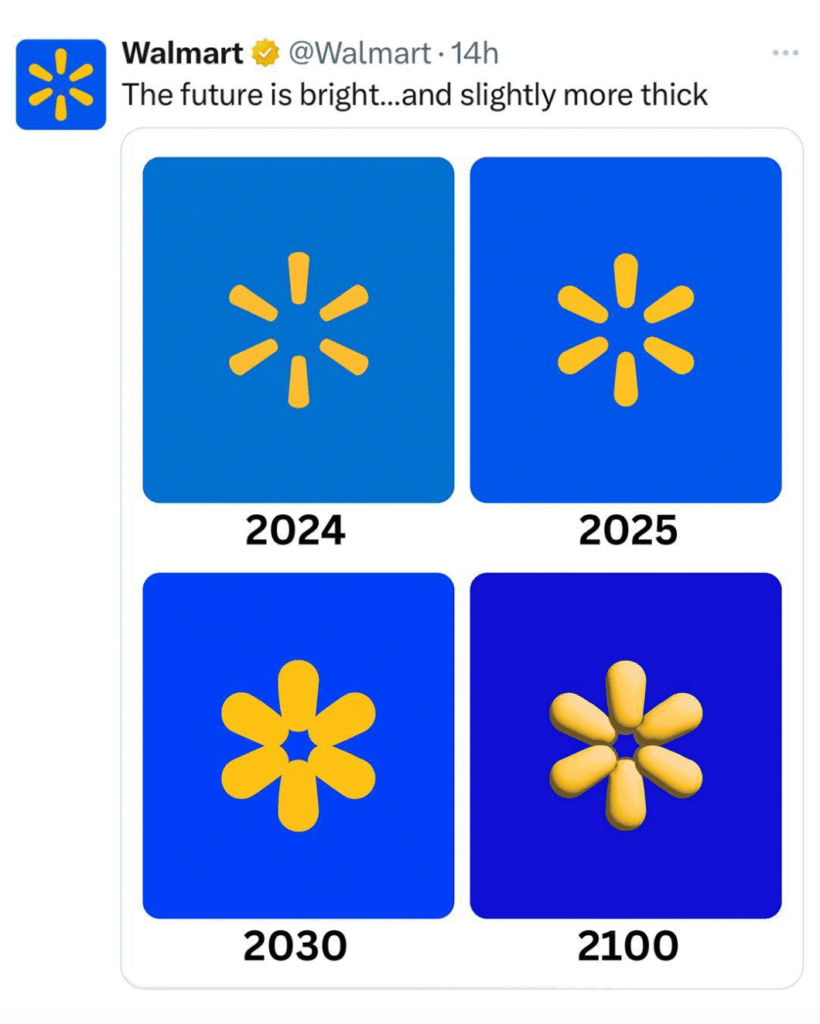
Now, Walmart is unlikely to lose any of their audience because of the confusion behind these changes. But it highlights the need to match the depth of your brand rollout to the depth of the actual changes made.
Jaguar
One company that is going through a major rebrand process is the luxury vehicle company Jaguar. Back in November 2024, Jaguar introduced a refreshed company direction—but in a way that left many puzzled.
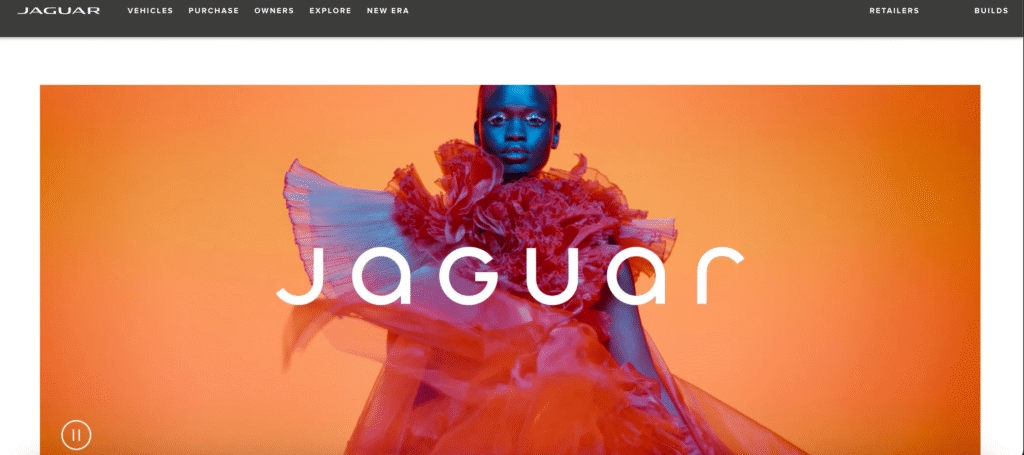
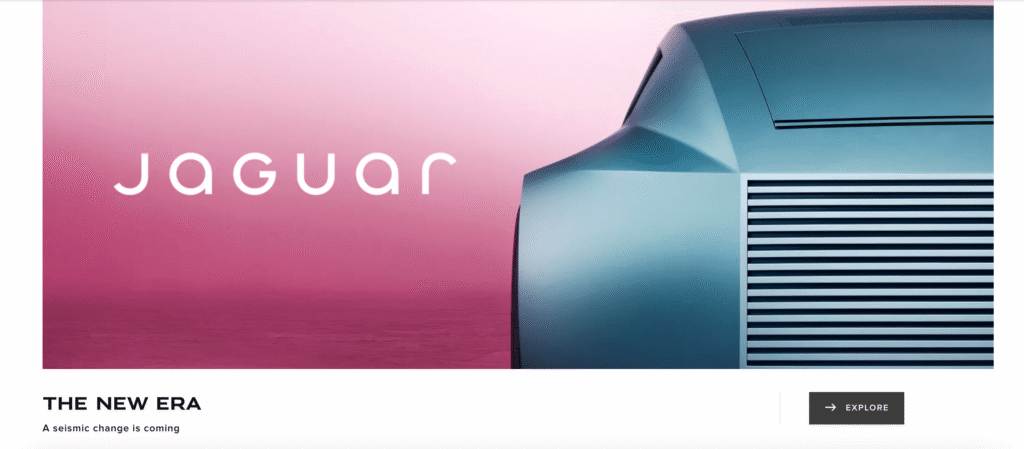
With minimal messaging, a new font, and bold visuals across their website and social platforms that didn’t directly connect to its cars, it was evident that Jaguar wanted to achieve a phased rollout but generated confusion instead of hype.
Using mystery to spark discussion and anticipation around brand changes can beeffective, but it works best with a clear timeline and eventual reveal. After initially postingan ambiguous video, Jaguar followed up with posts that offered little clarity on the natureof the changes. Since then, they have scaled back their messaging, simply stating, “aseismic change is coming”—a phrase that has remained unchanged for the past threemonths.
We’re watching hawk-eyed to see how this phases out. While the new branding was clearly intent on attracting a new and more diverse audience base, the organization alienated their current customer base and currently seems frozen between two worlds.You can currently see both old and new branding spread across its ads, socials and websites. This not only displays failed communication of a rebrand, but highlights the need to know your audience
Choosing the Right Approach
So, what are the key factors that cause one rollout to be successful and another to cause confusion and mockery? It can certainly be challenging to think through how to roll out anew brand strategy.
The key is understanding the depth of your changes and adjusting your messaging accordingly. The level of communication should always match the scale of your brand changes. A refresh requires a light touch—highlighting enhancements without over-explaining. A rebrand, however, demands a deeper conversation with your audience, making them feel part of the journey. We use the following framework to break it down into parts.
Framework: Communicating A Brand Refresh
A brand refresh typically involves minor adjustments—tweaking your logo, refining your color palette, updating your typography, or modernizing your website. These changes help your brand stay relevant without altering its core identity. Since a refresh isn’t a dramatic shift (think Rocket updating its logo a bit), communication can be relatively simple:
- Social Media Teasers: Use before-and-after comparisons, sneak peeks, or interactive posts to generate excitement.
- Email Announcement: A short and sweet message to your audience explaining therefresh. Highlight what’s new and why these updates help to realign your brand toyour core mission or promises.
- Website Announcement: Make sure to update your site with a blog post, banner or a landing page explaining the updates and reinforcing your brand’s evolution. This is usually helpful to keep up for a month or two, depending on your audience size.
Framework: Communicating A Full Rebrand
A rebrand, on the other hand, involves major adjustments including a new name, a completely redesigned logo, an updated visual identity, a change in brand messaging or positioning, and/or a shift in your overall business strategy.
Because a rebrand is a major transformation, part of rolling it out must include a well-planned communication strategy:
- Official Announcement: A press release, blog post, and direct customer communication explaining the rebrand’s purpose and what it means for your audience.
- Storytelling Campaign: Share the “why” behind the rebrand—what led to this change and how it better aligns with your company’s mission and values.
- Phased Rollout: Introduce elements gradually to give your audience time to adjust and connect with the new identity.
- Additional Opportunity for Engagement & Feedback: Use social media and email campaigns to invite audience interaction, address questions, and reinforce the positive impact of the change.
This framework helps explain some of the confusion in Walmart’s rollout — its brand tweaks were very minimal, but it communicated it as though it was revolutionary and required a whole rebrand-worthy comm strategy. The result? The disconnect was apparent to the market. Based on the framework above, a simple social post and a website announcement would be sufficient to communicate Walmart’s brand tweaks.
Jaguar, however, had the right approach but the wrong execution. As fun and bold as it looks, its launch of both a storytelling campaign and a phased rollout backfired when there wasn’t a clear tie to the overall story of Jaguar’s brand and positioning as a long-time luxury brand. Regardless of the approach, it’s crucial to consider how these changes fit into the overall STORY your branding tells for the audience to not just connect, but become a valued consumer of the brand.
That’s the most important thing—keeping your audience informed, engaged, and excited about what’s next. After all, a well-communicated brand evolution strengthens trust and ensures your brand’s new direction resonates with the people who matter most.